
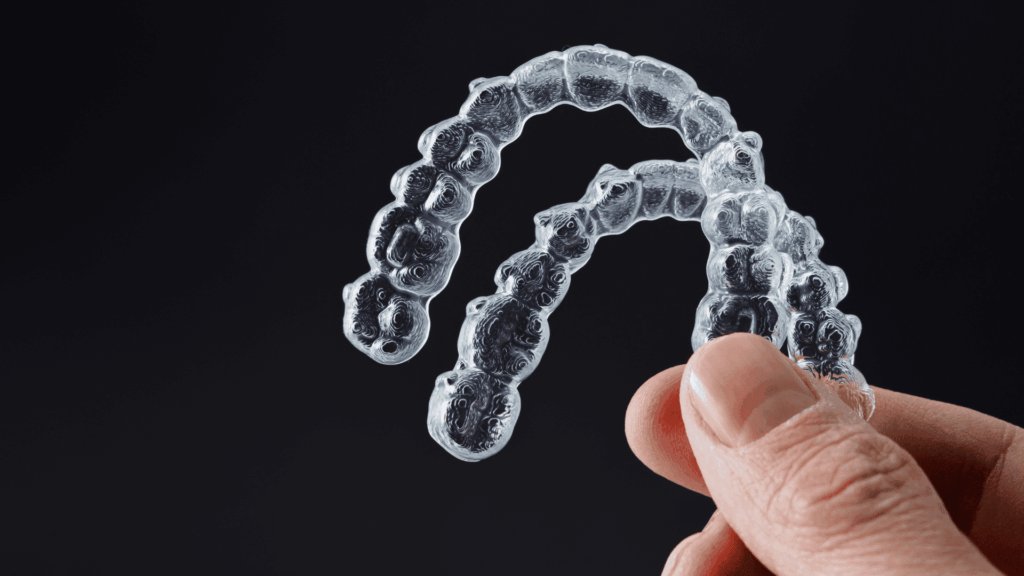
Completing Invisalign treatment feels exciting. Teeth finally look straight and balanced. However, the process does not truly end when the last aligner comes off. Retainers after Invisalign play a major role in keeping teeth from shifting back. Without proper retention, even well planned treatment can lose results over time.
This guide explains why retainers matter, how long to wear them, and how to care for them properly. The goal stays simple. Protect your smile and maintain long term oral health.
Why Retainers Are Necessary After Invisalign
Teeth do not lock into place immediately after alignment. Bone and gum tissue need time to adapt to the new positions. According to orthodontic studies, teeth show the highest risk of relapse within the first 6 to 12 months after treatment.
Retainers help by holding teeth steady while surrounding tissues stabilize. Without consistent retainer use, teeth can slowly drift. This happens even in adults.
Key reasons retainers matter after Invisalign include:
- Preventing teeth from shifting back
- Supporting bone remodeling around teeth
- Maintaining bite balance
- Protecting the investment made in orthodontic care
In short, Invisalign straightens teeth. Retainers keep them straight.
Invisalign Treatment in Woodland Hills
How Long Do You Need to Wear Retainers After Invisalign
Most dentists recommend full time retainer wear for the first few months. This often means 20 to 22 hours per day. After that period, many patients switch to nighttime use only.
Long term studies show that teeth can shift at any age. For this reason, many professionals suggest wearing retainers at night indefinitely.
Typical retainer wear timeline:
| Phase | Wear Schedule | Purpose |
| First 3 to 6 months | Full time | Stabilize new tooth positions |
| Next 6 to 12 months | Nights only | Reduce relapse risk |
| Long term | Night wear | Maintain alignment |
Your dentist may adjust this schedule based on bite, spacing, and previous movement.
Types of Retainers Used After Invisalign
Most Invisalign patients receive clear removable retainers. These often resemble aligners but use thicker material for durability.
Common retainer options include:
- Clear plastic retainers
- Vivera retainers made by Invisalign
- Fixed bonded retainers in select cases
Clear retainers remain popular because they stay discreet and easy to wear at night. Fixed retainers may help patients with severe spacing or rotation issues, although they require extra hygiene care.
Care Tips for Retainers After Invisalign
Proper care keeps retainers clean, clear, and effective. Poor maintenance can lead to odor, buildup, or warping.
Follow these retainer care tips:
Daily Cleaning
Rinse retainers every time you remove them. Brush gently using a soft toothbrush. Avoid toothpaste with abrasive particles, since it can scratch plastic.
Avoid Heat
Never expose retainers to hot water. Heat can distort their shape and reduce effectiveness.
Store Safely
Always place retainers in a protective case when not in use. Loose retainers often get lost or damaged.
Clean Deeply Each Week
Soak retainers in a dentist approved cleaning solution once or twice per week. Avoid harsh chemicals or alcohol based cleaners.
Keep Them Away From Pets
Dogs often chew retainers due to scent. Store cases out of reach.
What Happens If You Stop Wearing Your Retainer
Skipping retainer wear allows teeth to move gradually. At first, the change may feel minor. Over time, spacing or crowding can return.
Signs that teeth have shifted include:
- Tight or uncomfortable retainers
- Changes in bite alignment
- Visible gaps or crowding
If retainers no longer fit, contact your dentist promptly. Early action can prevent the need for repeat orthodontic treatment.
Retainers and Long Term Oral Health
Straight teeth improve more than appearance. They also support easier brushing, healthier gums, and balanced bite function. Retainers help preserve these benefits.
Studies link misalignment to higher plaque buildup and gum inflammation. Wearing retainers consistently helps maintain the oral health improvements achieved with Invisalign.
Start Invisalign With a Plan That Protects Your Smile
If you are considering Invisalign to straighten your teeth, professional guidance makes a difference from day one. In-person planning allows each movement to support your bite, gum health, and long term comfort.
A consultation gives you a clear understanding of what Invisalign can achieve for your smile, how long treatment may take, and how retention will protect your results. With proper planning and follow up care, Invisalign can deliver a smile that looks natural and stays that way.
Schedule a visit to discuss Invisalign treatment and learn whether clear aligners fit your goals and lifestyle.
Schedule a ConsultationFrequently Asked Questions (FAQ)
1. How long do you need to wear retainers after Invisalign treatment ends?Dentists usually recommend full-time wear for the first 3 to 6 months, about 20-22 hours per day. After this initial period, many patients transition to nighttime wear to maintain results long term.
2. What happens if you stop wearing your retainer after Invisalign?Teeth can gradually shift back toward their original positions. Even small changes can affect bite, spacing, and overall smile appearance. Wearing your retainer consistently prevents relapse and protects your investment in Invisalign.
3. Are Invisalign retainers worn all day or only at night?Most patients start with full-time wear and then move to night-only use after the first several months. Your dentist will create a schedule based on your bite, alignment, and how your teeth respond to treatment.
4. How do you clean and care for retainers after Invisalign treatment?Rinse retainers every time you remove them and brush gently with a soft toothbrush. Avoid hot water or harsh chemicals that can warp or damage the plastic. Soaking once or twice per week in a dentist-approved cleaning solution keeps them fresh and effective.
5. Can teeth shift years after Invisalign without a retainer?Yes. Teeth naturally move throughout life, and relapse can occur even years later. Nighttime retainers help maintain alignment and preserve the results achieved through Invisalign treatment.
Related Articles:
- Invisalign vs Traditional Braces: What’s Right for Your Smile?
- How Invisalign Treatment Works Step by Step
- Can Invisalign Change Your Jawline or Face Shape?
- Invisalign for Mild vs Severe Cases. What’s the Difference?
- Invisalign vs. Clear Aligners: What Woodland Hills Adults Need to Know
- Common Mistakes Invisalign Patients Make and How to Avoid Them
- Can Invisalign Fix Overbite, Underbite, and Crowded Teeth?
- Can Invisalign Close Gaps Between Teeth? What to Expect