
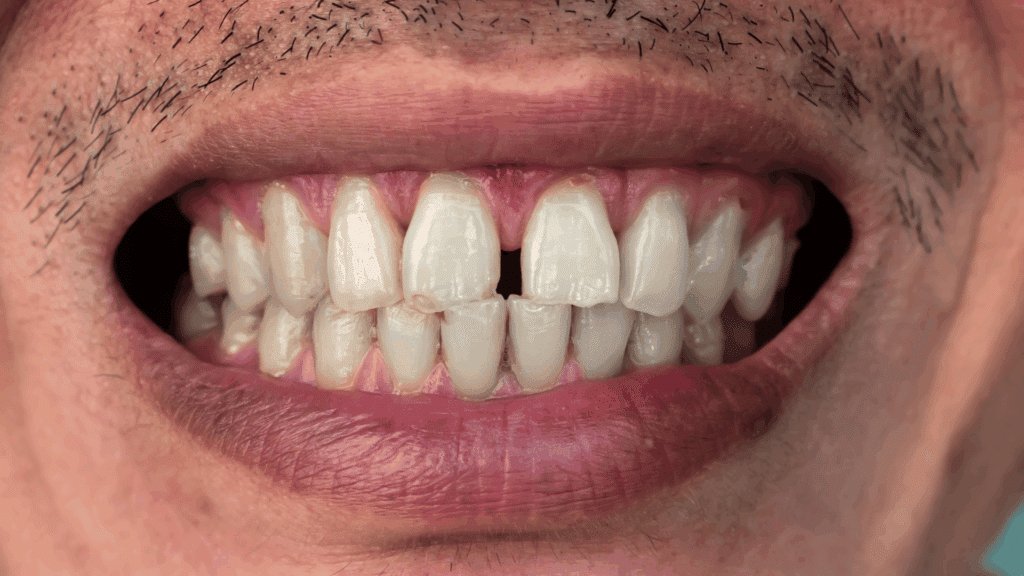
Gaps between teeth are common, and many people want to close them for both appearance and function. Invisalign is often considered for this purpose because it moves teeth gradually without metal brackets. But the real question is whether it actually works for spacing issues and what the process feels like in practice.
The short answer is yes. Invisalign can close many types of gaps. However, the outcome depends on the size of the spaces, the position of your teeth, and how consistently you wear the aligners.
Let’s look at how it works and what you should realistically expect.
How Invisalign actually closes gaps
Invisalign works by applying gentle, controlled pressure through a series of clear aligners. Each aligner makes small adjustments, and those changes build up over time.
When closing gaps, teeth do not move straight across in one step. Instead, the process is gradual and controlled:
- Teeth slowly drift toward each other as space reduces.
- The angle of certain teeth may shift so they sit more naturally in line.
- In some cases, the overall arch is adjusted slightly to balance spacing across the smile.
Every movement is planned in advance using a digital scan of your teeth. This allows the dentist to map out where each tooth should move and how long each stage will take.
Why gaps form in the first place
Not all spacing issues have the same cause, and this affects treatment results.
Some gaps appear because teeth are naturally smaller than the jaw. Others develop after teeth shift over time due to bite pressure or missing teeth. In some cases, previous orthodontic treatment may have allowed spacing to return.
When the cause is simple crowding or minor size differences, Invisalign usually handles it well. When spacing is linked to missing teeth or bite imbalance, additional treatment may be needed alongside aligners.
Types of gaps Invisalign can improve
Invisalign is commonly used for:
- Front tooth gaps that affect appearance
- Small to moderate spacing across several teeth
- Shifting that happens after braces or retainers are stopped
- Uneven spacing caused by mild alignment issues
Larger gaps can also improve, but they often take longer and may require attachments or elastic bands to guide movement more precisely.
In cases where a tooth is missing, Invisalign alone will not replace it. Instead, the space may be prepared for a future implant or bridge.
What the treatment process feels like
Treatment begins with a scan or impression of your teeth. This creates a 3D model that shows how your teeth will move over time. Once the plan is approved, a series of aligners is made specifically for your mouth.
Each aligner is worn for about one to two weeks. You remove them only when eating, drinking anything other than water, and brushing your teeth. Most of the day, they stay in place to keep pressure consistent.
At first, each new set of aligners can feel tight. That pressure is a normal sign that teeth are responding. It usually settles after a couple of days.
Some people also notice a slight change in speech during the first week, but this typically improves quickly as the tongue adapts.
How long it takes to close gaps
The timeline depends mainly on how wide the gaps are and how consistently the aligners are worn.
Small gaps between front teeth may start to show change within a few weeks. More noticeable improvement often appears within two to three months. Full treatment can take anywhere from several months to over a year.
Wear time matters more than most people expect. Aligners need to stay in for 20 to 22 hours a day. When they are removed too often or for long periods, teeth slow down and gaps take longer to close.
What changes during treatment
As gaps begin to close, small changes become noticeable in daily life.
Teeth may feel slightly different when biting, especially after switching to a new aligner. Some aligners may feel tighter than others depending on which teeth are moving at that stage.
Cleaning also becomes more important. Food can still get trapped easily between shifting teeth, so brushing and flossing help keep gums healthy during the process.
Where Invisalign has limits
Invisalign can handle many spacing issues, but it does have boundaries.
Very large gaps caused by missing teeth usually need additional dental work. Severe bite problems may also require combined treatment to achieve stable results.
Success also depends on consistency. If aligners are not worn as directed, teeth can move unpredictably, which affects how well gaps close.
A proper assessment is important before starting so the treatment plan matches the actual condition of the teeth.
After gaps close
Once spacing is corrected, teeth still need support to stay in position. Without it, they can slowly shift back over time.
This is why retainers are used after treatment. At first, they are often worn full-time, then later only at night based on guidance.
This stage is just as important as the active treatment phase because it helps keep the results stable long-term.
Find Out If Invisalign Can Close Your Teeth Gaps
Invisalign can close many types of gaps effectively, especially when spacing is mild to moderate and the treatment plan is followed closely. The process is steady rather than instant, and changes build gradually over time.
The key factor is not just the aligners themselves, but how consistently they are worn and how well the treatment is planned from the start.
At Pearl Zadeh DDS, we assess your teeth carefully, plan each movement with precision, and guide you through every stage of Invisalign treatment so your results stay predictable and stable. Call (818) 716-6722 or click the button below to schedule your consultation online.
Schedule a ConsultationFrequently Asked Questions
1. Can Invisalign really close gaps between teeth?Yes, Invisalign can close many types of gaps by gradually moving teeth closer together. It works best for small to moderate spacing, especially when the teeth and gums are otherwise healthy.
2. How long does it take to close gaps with Invisalign?Smaller gaps may start improving within a few weeks, while more visible changes often show within two to three months. Full treatment usually takes several months, depending on the size of the gaps and how consistently aligners are worn.
3. Will Invisalign work if I have a large gap?Invisalign can still help with larger gaps, but treatment may take longer and sometimes requires additional tools like attachments or elastics. In cases involving missing teeth, other dental treatments may be needed alongside aligners.
4. Is Invisalign uncomfortable when closing gaps?Most people feel mild pressure when switching to a new set of aligners. This is normal and usually fades after a few days as the teeth adjust to their new position.
5. Do gaps come back after Invisalign treatment?They can shift back if retainers are not used. That’s why retainers are essential after treatment to keep teeth in their new position and maintain the results over time.
Related Articles:
- Can Invisalign Change Your Jawline or Face Shape?
- Invisalign for Mild vs Severe Cases. What’s the Difference?
- Invisalign vs. Clear Aligners: What Woodland Hills Adults Need to Know
- Common Mistakes Invisalign Patients Make and How to Avoid Them
- Can Invisalign Fix Overbite, Underbite, and Crowded Teeth?
- Retainers After Invisalign. Why They Matter and How to Care for Them
- How Invisalign Treatment Works Step by Step