
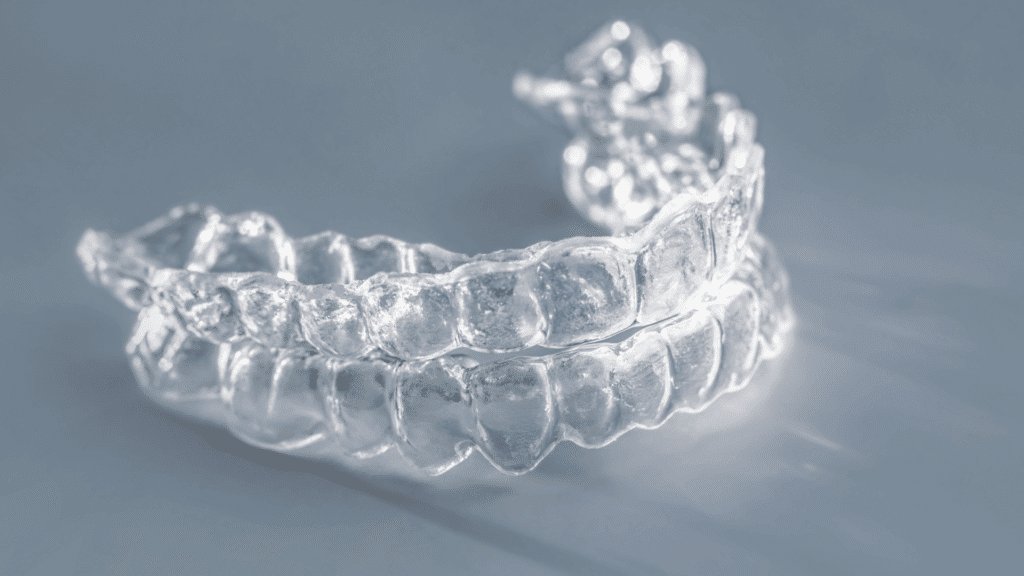
Many people begin Invisalign treatment hoping to straighten their teeth. However, during the process, some patients notice something else too. Their smile looks different, their profile appears more balanced, or their jawline seems more defined.
That often leads to an important question:
Can Invisalign actually change your jawline or face shape?
The short answer is yes, but only to a certain extent.
Invisalign can influence facial appearance because teeth and jaw positioning play a major role in overall facial structure. However, the changes are usually subtle and depend heavily on the type of orthodontic issue being treated.
Some patients may notice a more symmetrical smile or improved facial balance. Others may experience very little visible facial change at all.Understanding what Invisalign can and cannot change helps set realistic expectations before treatment begins.
How Teeth and Jaw Alignment Affect Facial Appearance
Your teeth do far more than help you chew.
They also support:
- Your lips
- Cheeks
- Smile shape
- Lower facial profile
- Jaw positioning
When teeth are misaligned, the surrounding facial structures can appear uneven or unbalanced.
For example:
- Severe overbites may make the chin appear recessed
- Underbites may create a more prominent lower jaw
- Narrow dental arches can affect smile width
- Crowded teeth may influence lip support
- Bite problems can alter lower facial proportions
Because Invisalign moves teeth and can improve bite alignment, some facial changes may naturally occur during treatment.
Can Invisalign Actually Change Your Jawline?
In some cases, yes.
However, Invisalign does not directly reshape bone structure in adults the way surgery can.
Instead, Invisalign changes how the teeth fit together and how the jaw positions itself during biting and resting. These adjustments can create the appearance of a more balanced jawline.
Patients Most Likely to Notice Jawline Changes
Jawline improvements are more noticeable in patients with:
- Overbites
- Underbites
- Deep bites
- Crossbites
- Significant crowding
- Poor bite alignment
For example, correcting a deep overbite may reduce strain in the lower face and create a more proportional appearance between the upper and lower jaw.
Similarly, improving an underbite may soften an overly prominent lower jaw appearance.
Invisalign Can Improve Facial Symmetry
Facial symmetry plays a major role in how people perceive attractiveness and balance.
When teeth are crooked or the bite shifts unevenly, facial symmetry may appear slightly off.
Invisalign can improve symmetry by:
- Centering the bite
- Correcting uneven spacing
- Aligning dental arches
- Improving smile balance
Although the changes are often subtle, many patients notice their smile and lower face appear more harmonious after treatment.
Changes Are Usually More Noticeable in the Lower Face
If Invisalign affects facial appearance, the changes typically occur in the lower third of the face.
This area includes:
- Lips
- Chin
- Jawline
- Lower cheeks
That is because orthodontic treatment primarily affects tooth positioning and bite relationships rather than the forehead or upper facial structure.
For example:
Overbite Correction
Correcting an overbite may improve chin visibility and reduce the appearance of a “sunken” lower face.
Arch Expansion
Widening narrow arches can create a fuller smile and slightly broader appearance around the mouth.
Bite Stabilization
Balancing the bite may improve muscle tension around the jaw and cheeks.
Can Invisalign Make Your Face Look Slimmer?
Some patients report their face appears slimmer during or after Invisalign treatment.
This can happen for several reasons.
Improved Jaw Position
When the bite becomes more balanced, the jaw may rest more naturally.
Changes in Muscle Activity
Patients with clenching or uneven bite pressure sometimes develop enlarged jaw muscles. As bite issues improve, those muscles may relax slightly.
Smile Width and Facial Proportions
Straighter teeth and broader smile arches can change how facial proportions are perceived visually.
However, Invisalign is not a weight-loss treatment and should not be viewed as a cosmetic facial slimming procedure.
Can Invisalign Create a Sharper Jawline?
In some situations, Invisalign may help the jawline appear more defined.
This is usually an indirect result of:
- Improved bite alignment
- Better chin positioning
- Reduced lower facial strain
- Enhanced facial symmetry
The effect tends to be more noticeable in patients who originally had bite problems affecting their lower facial profile.
Still, Invisalign cannot dramatically sculpt the jawline like surgery, fillers, or major weight loss can.
Invisalign vs Jaw Surgery. Understanding the Difference
One of the biggest misconceptions online is that Invisalign can completely transform facial bone structure. In reality, Invisalign primarily moves teeth and improves bite alignment. It does not significantly reshape the facial skeleton in adults.
| What Invisalign Can Do | What Invisalign Cannot Do |
| Move teeth into better alignment | Significantly widen adult jaw bones |
| Improve bite alignment | Reshape the facial skeleton |
| Improve smile symmetry | Correct severe skeletal jaw discrepancies alone |
| Improve lower facial balance | Replace jaw surgery in major cases |
| Slightly influence facial appearance | Dramatically alter bone structure |
For patients with severe jaw alignment issues, orthodontists may recommend:
- Jaw surgery
- Combined orthodontic treatment
- Braces with surgical correction
Invisalign works best for dental movement and bite correction rather than major skeletal reconstruction.
Teenagers May Notice More Facial Changes Than Adults
Younger patients sometimes experience more visible facial changes during orthodontic treatment because their bones are still developing.
In teenagers:
- Jaw growth may still be active
- Facial bones are more adaptable
- Orthodontic guidance can influence development patterns
Adults can still experience cosmetic improvements, but the changes are usually more limited to tooth position and bite correction.
What Invisalign Cannot Fix
It is important for patients to have realistic expectations.
Invisalign cannot correct every facial concern.
For example, Invisalign will not:
- Eliminate a naturally weak chin
- Remove facial fat
- Lift sagging skin
- Correct major asymmetry caused by skeletal structure
- Replace cosmetic surgery
Some online before-and-after photos can create unrealistic expectations because lighting, weight changes, camera angles, and facial expressions also affect appearance.
A good orthodontist explains expected outcomes honestly before treatment begins.
Why Some Patients Notice Facial Changes Quickly
Patients often become more aware of their appearance during Invisalign treatment because:
- Teeth are changing gradually
- Smiles become more aligned
- Photos look different
- Confidence improves
- Swelling or muscle tension decreases
Even small orthodontic improvements can make the face appear more balanced overall. Sometimes the psychological effect of liking your smile more also changes how you carry yourself and smile in photos.
Invisalign and TMJ-Related Facial Tension
Some patients with bite problems also experience jaw tension or TMJ discomfort.
When Invisalign improves bite alignment, certain patients notice:
- Less jaw strain
- Reduced clenching
- Improved muscle balance
- Less facial tension
In some cases, that can slightly soften an overly tense or bulky jaw appearance.
However, Invisalign is not a guaranteed TMJ treatment. Jaw pain has many possible causes, and proper diagnosis is important.
How Orthodontists Evaluate Facial Changes Before Invisalign
Experienced Invisalign providers look at more than just crooked teeth.
They also evaluate:
- Facial proportions
- Bite relationship
- Smile width
- Chin position
- Lip support
- Jaw function
- Profile balance
The goal is not simply straight teeth. A well-planned Invisalign case should support both oral function and facial harmony whenever possible.
Are Facial Changes Permanent After Invisalign?
The dental and bite changes from Invisalign can last long term if patients maintain their results properly.
However, retainers are essential.
Without retention, teeth may gradually shift again over time.
That can affect:
- Smile alignment
- Bite stability
- Overall facial balance
Most orthodontists recommend nighttime retainers after treatment to protect the final result.
Find Out What Invisalign Can Change for Your Smile
Invisalign can improve facial balance and jawline appearance, especially in patients with bite or alignment issues. Most changes come from better tooth positioning and improved symmetry rather than major skeletal changes.
For some patients, the difference is subtle. For others, correcting bite problems can noticeably improve lower facial proportions and overall appearance.
The best way to understand what Invisalign may change in your case is through a professional evaluation and customized treatment plan.
If you’re considering Invisalign and want to learn how treatment may affect your smile, bite, and facial appearance, call (818) 716-6722 or click the button below to schedule your consultation online.
Schedule a ConsultationFrequently Asked Questions
1. Can Invisalign make your jawline sharper?In some cases, yes. Invisalign may improve jawline appearance indirectly by correcting bite alignment and improving facial balance.
2. Does Invisalign change face shape permanently?The dental changes can last long term with proper retainer use. However, facial aging and natural changes still occur over time.
3. Can Invisalign fix a weak chin?Invisalign cannot fully correct a naturally weak chin caused by skeletal structure. However, correcting an overbite may improve chin appearance slightly.
4. Why does my face look different during Invisalign?As teeth shift and the bite changes, facial proportions and smile balance may change subtly. Some patients also notice reduced muscle tension around the jaw.
5. Can Invisalign widen your smile?Yes. In some cases, Invisalign can expand dental arches slightly, creating a broader and fuller smile appearance.
Related Articles:
- Invisalign for Mild vs Severe Cases. What’s the Difference?
- Invisalign vs. Clear Aligners: What Woodland Hills Adults Need to Know
- Common Mistakes Invisalign Patients Make and How to Avoid Them
- Can Invisalign Fix Overbite, Underbite, and Crowded Teeth?
- Retainers After Invisalign. Why They Matter and How to Care for Them
- How Invisalign Treatment Works Step by Step
- Can Invisalign Close Gaps Between Teeth? What to Expect