
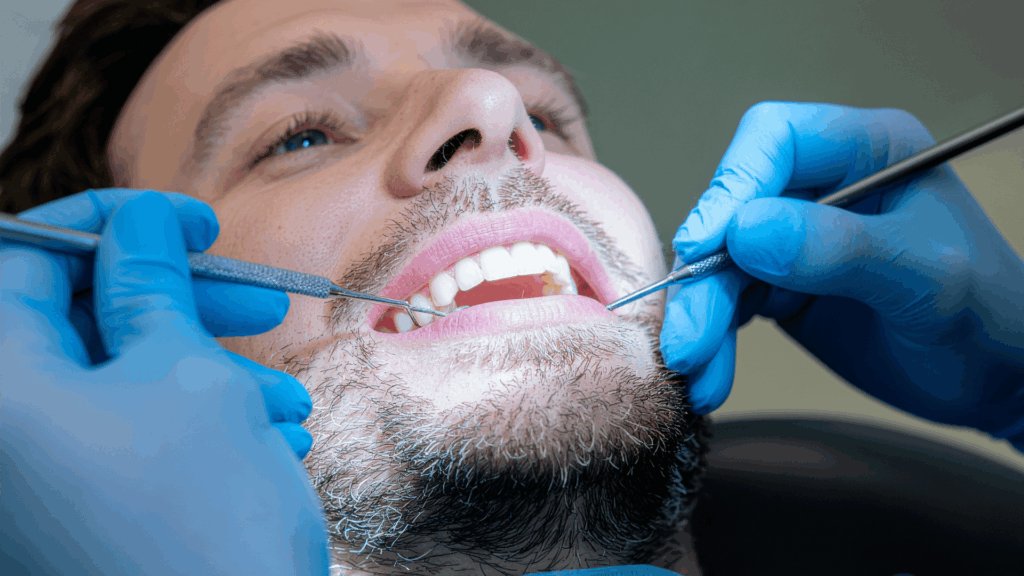
A damaged tooth does not always mean it needs to be removed. In many cases, dentists try to save natural teeth whenever possible. However, there are situations where repairing a tooth may only provide a short-term fix. In those cases, replacing the tooth can offer a more stable and lasting solution.
Understanding the difference helps you make a better decision for your long-term oral health, not just a quick fix.
Repair vs. Replacement. What’s the Difference?
Repairing a tooth focuses on preserving what is already there. Treatments like fillings, crowns, bonding, or root canals aim to restore strength and function while keeping the natural tooth.
Replacement, on the other hand, involves removing a tooth that can no longer be saved and restoring it with an artificial option. This may include dental implants, bridges, or dentures.
Both approaches have their place. The key is knowing when one makes more sense than the other.
When Repairing a Tooth Makes Sense
In many cases, saving your natural tooth is still the best option. If the damage is limited and the structure of the tooth remains strong, repairs can work well and last for years.
For example, a small cavity or minor crack can usually be treated with a filling or crown. Even a tooth that needs a root canal can often be restored successfully if enough healthy structure remains.
The goal is to maintain stability. As long as the tooth can handle normal biting pressure without risk of breaking down, repair is often the right choice.
When It’s Better to Replace a Tooth
There are times when repairing a tooth may not hold up over time. In these cases, replacing the tooth can prevent repeated problems and additional cost.
Severe Tooth Damage
If a tooth is badly broken or has lost too much structure, it may not support a crown properly. Even if repaired, it can fail under pressure.
Advanced Decay
When decay reaches deep into the tooth and affects the core structure, removing the damage may leave too little healthy tooth behind.
Failed Previous Treatments
Some teeth have already gone through multiple fillings, crowns, or root canals. If these treatments continue to fail, it often means the tooth cannot provide long-term stability.
Infection or Bone Loss
Severe infections can spread beyond the tooth and affect the surrounding bone. In these cases, saving the tooth may not protect your overall oral health.
Loose or Unstable Teeth
Gum disease can weaken the support around a tooth. When a tooth becomes loose, repair alone cannot restore its stability.
Poor Long-Term Prognosis
Even if a repair is possible, it may not last. Choosing replacement early can help avoid repeated dental work and ongoing discomfort.
Comparing Long-Term Outcomes
Repairing a tooth is often quicker and less expensive at first. However, if the tooth continues to break down, you may need multiple treatments over time.
Replacement options, especially dental implants, tend to offer more stability in the long run. They are designed to handle daily pressure and reduce the risk of repeated issues.
The right choice depends on how long the solution is expected to last, not just the initial cost.
Tooth Replacement Options
When replacement is the better option, there are several ways to restore your smile.
Dental implants are often the most durable solution. They replace both the root and the visible part of the tooth, which helps maintain bone structure and provides a natural feel.
Bridges use nearby teeth to support a replacement tooth. They work well in certain cases but rely on surrounding teeth for support.
Dentures are used when multiple teeth are missing. They restore function and appearance, though they may not offer the same stability as implants.
Each option has its own benefits. The right choice depends on your dental condition and long-term goals.
How Dentists Decide What’s Best
Choosing between repair and replacement requires a full evaluation. Dentists look at how much healthy tooth structure remains, as well as the condition of the roots and surrounding bone.
Bite alignment also matters. If a tooth is under too much pressure, even a well-done repair may not last. Your overall oral health, habits like grinding, and long-term expectations all play a role in the decision.
This is why a personalized treatment plan is important. A quick fix is not always the best solution.
Signs You May Need a Tooth Replacement
Some warning signs suggest that a tooth may not be worth saving.
You might notice repeated pain in the same tooth, even after treatment. In some cases, the tooth may feel weak when biting or appear visibly damaged.
Teeth that have been treated multiple times without lasting success often indicate a deeper issue. Ignoring these signs can lead to further complications.
Why Early Decision Matters
Waiting too long to replace a failing tooth can create bigger problems. Infection can spread, and surrounding teeth may shift into the empty space.
Bone loss is another concern. Once a tooth is lost, the bone in that area can begin to shrink. This may make future treatments, like implants, more complex.
Acting early helps protect both your oral health and your treatment options.
Make the Right Choice for Your Long-Term Oral Health
Choosing between repairing and replacing a tooth is not always simple. The right decision depends on stability, long-term outcomes, and your overall oral health.
Dr. Pearl Zadeh in Woodland Hills provides honest guidance and personalized treatment plans to help you choose the best option for your smile.
Call (818) 716-6722 or click the button below to schedule your consultation online and take the next step toward lasting dental health.
Schedule a ConsultationFrequently Asked Questions
1. Is it better to save a tooth or replace it?
Saving a natural tooth is usually preferred, but replacement may be better if the tooth cannot provide long-term stability.
2. How do I know if my tooth can be saved?
A dental exam can determine how much healthy structure remains and whether the tooth can handle normal use.
3. Are dental implants better than crowns?
They serve different purposes. Crowns restore existing teeth, while implants replace missing ones. Implants are often more durable when a tooth cannot be saved.
4. Does replacing a tooth hurt?
Most procedures are done with anesthesia to keep you comfortable. Recovery is usually manageable.
5. How long do tooth replacements last?
With proper care, dental implants can last many years. Other options like bridges and dentures also provide long-term function when maintained well.
Related Articles:
Full Dentures: Cost, Materials, and What to Expect
Partial Dentures: Types, Cost, and How They Work
Porcelain Bridges vs. Dental Implants: Which Is Right for You?