
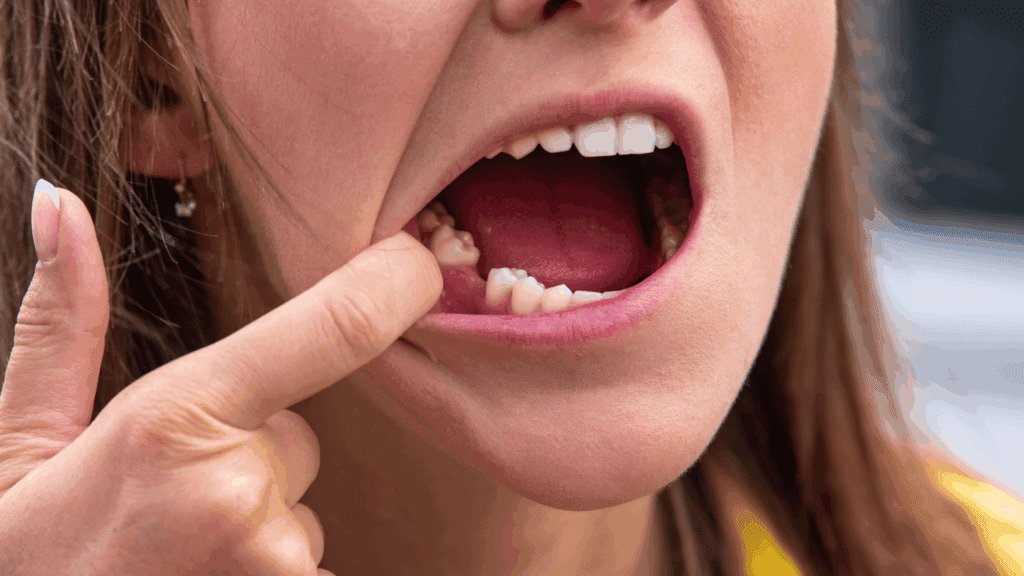
Many people think missing teeth are mainly a cosmetic issue. While appearance certainly matters, the bigger concern often involves what happens beneath the surface over time.
A missing tooth changes far more than your smile.
Once a tooth disappears, the surrounding teeth, jawbone, bite alignment, and chewing patterns begin adapting to that empty space. Unfortunately, those changes rarely improve oral health. In most cases, they gradually create additional dental problems that become harder and more expensive to treat later.
Some patients lose a tooth and feel fine for months or even years. However, the absence of immediate pain does not mean the bite remains stable.
Knowing how missing teeth affect your bite helps explain why dentists recommend replacing missing teeth sooner rather than later.
Your Bite Depends on Balance
Your bite works like a connected system.
Every tooth supports surrounding teeth and helps distribute chewing pressure evenly across the mouth. Upper and lower teeth also stabilize each other during biting and chewing.
When one tooth disappears, that balance changes immediately.
The remaining teeth must suddenly handle forces they were not designed to absorb alone. Over time, the mouth begins compensating for the missing space.
Those compensations often create long-term problems involving:
- Tooth shifting
- Bite misalignment
- Jaw strain
- Uneven tooth wear
- Bone loss
- Difficulty chewing
Even losing a single tooth can eventually affect the entire bite system.
Teeth Naturally Shift Into Empty Spaces
One of the most common consequences of tooth loss is tooth movement.
Teeth constantly experience small pressures from:
- Chewing
- Swallowing
- Tongue movement
- Jaw function
Normally, neighboring teeth stabilize each other. However, once a tooth goes missing, nearby teeth lose that support.
As a result, adjacent teeth may begin:
- Tilting
- Drifting
- Rotating
- Leaning into the gap
This shifting may happen slowly, which is why many patients do not notice it right away.
However, over time, even small movements can significantly alter bite alignment.
Opposing Teeth Can Over-Erupt
Missing teeth also affect the tooth directly above or below the empty space.
Normally, opposing teeth contact each other during chewing, which helps maintain proper positioning.
Without that contact, the opposing tooth may gradually move outward into the gap. Dentists call this supraeruption or over-eruption.
For example:
- A missing lower molar may allow the upper molar above it to drift downward
- A missing upper tooth may allow the lower tooth to rise upward
Over-erupted teeth can create several problems:
- Bite interference
- Tooth sensitivity
- Gum exposure
- Increased wear
- Difficulty restoring the missing tooth later
This process often complicates future dental treatment because the bite no longer fits together properly.
Missing Teeth Change How You Chew
Most patients naturally avoid chewing on the side with the missing tooth.
At first, this may feel harmless. However, uneven chewing patterns place extra pressure on certain teeth and jaw muscles.
Over time, this imbalance can contribute to:
- Excessive tooth wear
- Jaw fatigue
- Muscle tension
- Bite instability
- Cracked teeth
Patients sometimes develop habits they do not even realize they have. For example, consistently chewing on one side may overload specific teeth for years before symptoms appear.
The longer the imbalance continues, the more stress the bite system absorbs.
Bite Changes Can Lead to TMJ Problems
Your temporomandibular joints (TMJ) help coordinate jaw movement during speaking, chewing, and swallowing.
When missing teeth alter bite alignment, the jaw joints may also begin functioning differently.
This does not mean every missing tooth causes TMJ disorder. However, long-term bite instability can increase strain on the jaw muscles and joints.
Some patients eventually notice:
- Jaw clicking
- Jaw pain
- Facial tension
- Headaches
- Difficulty chewing
- Limited jaw movement
The risk becomes higher when multiple teeth are missing or when bite collapse progresses over time.
Bone Loss Begins After Tooth Loss
One of the most important changes happens below the gums.
Tooth roots stimulate the jawbone whenever you chew. That stimulation helps maintain healthy bone density.
Once a tooth disappears, the jawbone in that area no longer receives normal stimulation.
As a result, the body begins reabsorbing bone tissue gradually.
This process can lead to:
- Shrinking jawbone volume
- Changes in facial structure
- Reduced support for neighboring teeth
- Difficulty placing dental implants later
Bone loss often progresses silently. Many patients do not realize how much bone disappeared until they seek tooth replacement years later.
Missing Teeth Can Accelerate Tooth Wear
An uneven bite changes how chewing pressure spreads across the mouth.
Certain teeth may suddenly absorb more force than before.
This increased pressure can lead to:
- Flattened enamel
- Cracked teeth
- Chipped restorations
- Tooth sensitivity
- Fractures
Patients who grind or clench their teeth often experience even faster wear after tooth loss because the bite no longer distributes forces evenly.
Over time, the bite may gradually collapse further as more teeth become damaged.
Speech Can Change Over Time
Teeth play an important role in speech clarity, especially front teeth.
Missing teeth may affect pronunciation of sounds involving:
- “S”
- “F”
- “T”
- “V”
Some patients adapt quickly, while others develop speech difficulties or altered tongue positioning.
As teeth shift further over time, speech changes may become more noticeable.
Facial Structure May Gradually Change
Many patients do not realize missing teeth can eventually affect facial appearance.
When multiple teeth remain missing for years, bone loss and bite collapse may contribute to:
- Sunken facial appearance
- Reduced lip support
- Thinner facial profile
- Premature facial aging
- Shortened lower face height
These changes tend to develop gradually, especially when several back teeth are missing.
The effect often becomes more visible after long-term untreated tooth loss.
Missing Back Teeth Still Matter
Some patients ignore missing molars because they are less visible when smiling.
However, back teeth handle most chewing pressure.
Losing molars can significantly affect:
- Bite stability
- Chewing efficiency
- Jaw alignment
- Pressure distribution
Additionally, missing back teeth often increase stress on the front teeth, which are not designed for heavy chewing forces.
Over time, front teeth may begin wearing down or shifting as compensation occurs.
Replacing Missing Teeth Helps Protect the Bite
Replacing missing teeth helps restore balance within the mouth before more changes occur.
Treatment options may include:
- Dental implants
- Dental bridges
- Partial dentures
- Full dentures in advanced cases
Each option works differently depending on:
- Number of missing teeth
- Bone condition
- Bite alignment
- Overall oral health
Among these options, dental implants provide one major advantage because they stimulate the jawbone similarly to natural tooth roots.
That helps reduce ongoing bone loss.
Why Early Treatment Matters
The longer a tooth remains missing, the more the bite changes.
Early tooth replacement often allows for:
- Simpler treatment
- Better bite preservation
- Less tooth shifting
- Reduced bone loss
- Lower risk of future complications
Waiting several years may require additional procedures such as:
- Orthodontics
- Bone grafting
- Bite reconstruction
- Gum treatment
In other words, delaying treatment usually increases complexity.
Some Bite Changes Happen Slowly and Silently
One reason patients delay treatment is because the changes often occur gradually.
You may not notice:
- Slight tooth drifting
- Minor bite shifts
- Early bone loss
- Uneven pressure changes
However, dentists can often identify these problems early during routine exams and X-rays.
Addressing missing teeth before major bite collapse develops usually leads to better long-term outcomes.
Restore Your Bite Before More Problems Develop
Missing teeth affect much more than appearance alone. Over time, they can change how your teeth fit together, how your jaw functions, and how pressure spreads throughout your bite.
As teeth shift, bone loss develops, and chewing patterns change, the risk of additional dental problems continues increasing. What begins as one missing tooth can eventually affect the stability of the entire mouth.
Replacing missing teeth early helps protect your bite, preserve jawbone health, and reduce the risk of future complications.
If you are missing one or more teeth and want to explore your treatment options, call (818) 716-6722 or click the button below to schedule your consultation online.
Schedule a ConsultationFrequently Asked Questions
1. How quickly do teeth start shifting after a tooth is lost?Teeth can begin shifting within a few weeks to months after a tooth is lost. The speed depends on bite pressure, location of the missing tooth, and overall dental health. In many cases, small movements happen gradually, so patients do not notice them right away.
2. What happens if I don’t replace a missing tooth?If you don’t replace a missing tooth, nearby teeth may drift into the empty space, the opposing tooth may over-erupt, and your bite may slowly become misaligned. Over time, this can also lead to bone loss, uneven chewing, and increased stress on other teeth.
3. Can one missing tooth really affect my entire bite?Yes. Even a single missing tooth can disrupt bite balance. Since every tooth works as part of a system, the loss of one tooth can change how pressure distributes across the mouth and lead to shifting, wear, and long-term alignment changes.
4. Is bone loss after tooth loss permanent?Bone loss in the jaw can become permanent if it is not treated early. Once the jawbone starts shrinking due to lack of stimulation, it may continue to deteriorate over time. Dental implants can help preserve bone by providing stimulation similar to a natural tooth root.
5. What is the best way to replace a missing tooth?The best option depends on your situation. Dental implants are often preferred because they replace both the tooth and root, helping maintain bone health. Bridges and partial dentures may also be suitable depending on the number of missing teeth, bone condition, and bite alignment.